
Blog
Understanding the Basics of CNC and its Impact on Modern Engineering Solutions

Introduction
In today’s world, Computer Numerical Control (CNC) technology has become increasingly prevalent across various industries, such as automotive, aerospace, construction, medical, and manufacturing. Precision is crucial among these industries, particularly in the manufacturing industry, where meeting specifications is vital to producing parts or products with a high degree of accuracy and consistency. That’s where CNC machines come in to save the day.
If you’re new to CNC machining, the complexities of its processes might seem overwhelming. But don’t worry; we’ve got you covered! This article will provide you with a basic understanding of CNC and its significant impact on modern engineering solutions. Keep reading to learn more and get a grip on this game-changing technology.
What Are CNC Machines?
Computer Numerical Control (CNC) machines are manufacturing tools that operate based on precise instructions from programmed setups. This advanced technique revolutionises the manufacturing process, significantly improving accuracy and efficiency. With CNC machines, you can expect high-quality output while reducing errors and increasing productivity.
How do They Help Operations Execute with Precision?
To achieve precision in manufacturing, CNC machines follow specific instructions programmed into their software. These instructions dictate the machine’s exact movements and operations, ensuring that the end product meets the desired specifications. This advanced automation technology minimises the risk of human error, resulting in consistent output quality. With CNC machines, you can trust that your products will be manufactured with precision and accuracy every time.
What is Computer Numerical Control?
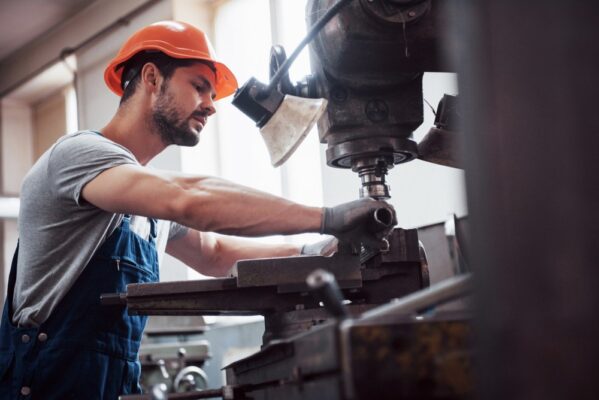
CNC stands for Computer Numerical Control, it’s a technology that utilises computer software or a coding programme to control movements or operations. To help you better understand this technology, here is a more in-depth explanation.
The Definition of CNC Technology
CNC technology is a cutting-edge manufacturing method that controls the movements of production equipment using pre-programmed software and code. This advanced technology is equipped with servo motors that precisely move cutting tools to specific locations as per the programmed instructions. The CNC system comprises three essential components: CNC software, a Machine Control Unit (MCU), and processing equipment, also referred to as a machine tool. With CNC technology, you can streamline your manufacturing process and achieve outstanding results with ease.
CNC Software
CNC software is like a computer program that helps create the instructions needed to make something. There are three types of CNC software: operating system software, machine interface software, and application software. The operating system software manages signals to control the machine’s movements, while the machine interface software connects the computer and the machine. The application software contains the specific instructions like what cutting tool to use, how fast the spindle should spin, and how to control the coolant. Once everything is set, the program is sent to the MCU to be executed. With CNC software, it’s easier to make complex products with great precision.
Machine Control Unit (MCU)
The Machine Control Unit (MCU) is like the brain of the CNC system, responsible for storing and executing the programmed instructions. It consists of various components, such as the CPU, memory, input/output interfaces, machine tool controls, and sequence controls. The machine tool controls manage the position and speed of each machine axis and spindle. Depending on the positioning system used, the MCU may require different hardware components. The spindle speed control components in the MCU regulate the drive control circuit and feedback sensor interface, ensuring optimal performance. Moreover, the MCU controls additional functions like binary actuations, interlocks, and numerical data. Overall, the MCU plays a crucial role in ensuring precise controls and producing high-quality output.
Processing Equipment/Machine Tool
The third part of CNC technology is the machine tool, which is responsible for performing the required processing steps to turn raw materials into finished products. The MCU directs the operation of the machine tool. Depending on the specific production process, the machine tool can take various forms, such as a lathe, mill, router, or other specialised equipment.
Historical Background and Evolution of CNC Machines
John T. Parson conducted the first actual application of CNC technology in the 1940s. Parsons was a pioneering figure in computing and created the machine as part of an Air Force research project conducted at the Massachusetts Institute of Technology (MIT). The U.S. Navy had commissioned him to enhance the efficiency of their helicopter blade production line, and he then motorised the axes of the machines used for creating these blades. After Parson developed the first CNC machine, the field of machining underwent an evolution. The following is a timeline outlining the key developments that occurred during this evolution.
1952-1958
Between 1950 and 1960, there was a need for improved efficiency and productivity in manufacturing and weapons production during the Cold War era. To address this, Richard Kegg partnered with MIT to develop the Cincinnati Milacron Hydrotel, the world’s first CNC milling machine, in 1952. In 1958, Kegg secured a patent for his invention, the Motor Controlled Apparatus for Positioning Machine Tool. This innovation paved the way for the widespread adoption of CNC technology in various industries, boosting efficiency and precision in manufacturing processes.
1967-1972
The development of Computer-Aided Design (CAD) and Computer-Aided Machining (CAM) marked a significant milestone in the adoption of CNC machining. However, during this period, CAD and CAM were not yet widely implemented as part of the standard manufacturing process.
1976-1989
The integration of 3D Computer-Aided Design and Computer-Aided Machining into CNC machining in the 1970s until the 1980s, and the adoption of CAD and CAM software-controlled machines as the industrial standard for CNC machines in 1989, resulted in significant advancements in the field of CNC machining.
Over the years, CNC machining has undergone tremendous advancements, allowing for the widespread automation of manufacturing processes for various materials such as wood, stone, and metal. These advancements have drastically reduced both time and labour costs, making it more efficient and cost-effective to produce high-quality products. The widespread use of CNC machines has enabled goods to be produced on a large scale and distributed globally at a fraction of the cost of hand-made items. It’s safe to say that CNC machining has revolutionised the manufacturing industry, and it continues to play a crucial role in the production of a wide range of products.
Advantages and Disadvantages of Using CNC Machines Over Manual Techniques

CNC machines have revolutionised manufacturing processes by replacing manual techniques with automated ones. While CNC machines offer several advantages over manual techniques, they also come with drawbacks. Here are some of the advantages and disadvantages of CNC machines:
Advantages:
Precision
By using CNC machines, you can produce precise and accurate end products. This is because it’s controlled by a computer programme, which can execute precise movements with great repeatability. This increased accuracy can lead to high-quality products and greater customer satisfaction.
Speed
CNC machines are capable of creating components at a much faster rate than manual techniques, which can result in shorter lead times and faster turnaround times. It can be rapidly programmed to produce a new part without requiring a complex setup that can be time-consuming to complete.
Productivity
Another advantage of CNC machines over traditional machining is their increased productivity. These machines are designed to operate continuously for long periods without the need for frequent operator invention or downtime. It also can often be configured to work on multiple parts simultaneously, which allows for higher levels of production output.
Reduced Labour Costs
As CNC machines can operate without constant operator intervention, it can help you to reduce labour costs. This means that fewer workers are needed to oversee the production process, since some parts of the work have been replaced with automation techniques. It also eliminates the need for highly skilled workers to perform the tasks manually, which can lead to cost savings for the company.
Safety
CNC machines provide a high degree of safety by isolating human interaction directly with the machine, thus reducing the likelihood of accidents. These machines can be programmed to perform dangerous operations such as cutting, drilling, and milling. By automating these tasks, the risk of accidents that may result from human error or fatigue can be reduced.
Disadvantages:
High Initial Cost
While CNC machines have revolutionised the manufacturing industry, they are initially more expensive to purchase than traditional manually operated machines. As a result, some small businesses may find them unaffordable. However, as CNC technology becomes more widespread, suppliers are increasing, and the costs of acquiring these machines will gradually decrease, making it easier for businesses to invest in this advanced technology.
Complexity
The operation and programming of CNC machines can be complex, as it requires specialised knowledge and skills to run the machines effectively. This complexity can be intimidating, especially if you’re new to the field, and the cost of training personnel to operate and program the machines can also pose a significant challenge for companies and individuals alike.
Dependence On Technology
Besides that, CNC machines rely heavily on software and hardware, which can be prone to malfunctions and require regular maintenance. This can cause production delays and extra costs for manufacturers. Furthermore, repairing and troubleshooting CNC machines will require the expertise of a skilled professional.
Environmental Impact
There can be adverse environmental effects associated with CNC machines because they are energy intensive. These machines require a lot of electricity to operate because they use motors, pumps, and other components that require a significant amount of power. This can lead to increased greenhouse gas emissions and contribute to climate change.
Unemployment
Investing in CNC machines can potentially lead to unemployment as they require fewer workers to operate compared to manual machines. The increased efficiency and accuracy of CNC machines result in the replacement of manual labour, which causes a reduction in employment opportunities.
CNC Machining Centers & Tools
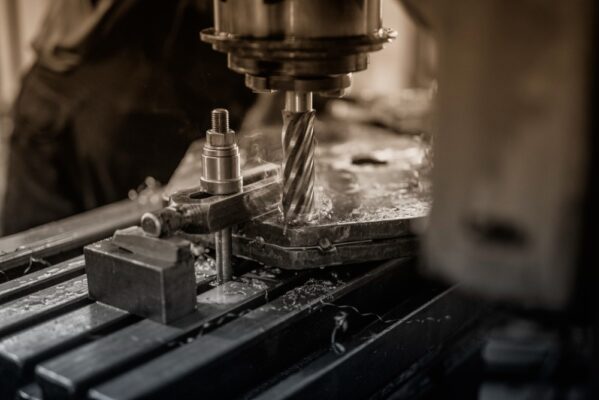
Understanding CNC machining centres and tools are essential, especially if you’re dealing with the manufacturing industry. This section will provide an overview, types, and comparisons of CNC machining centers and tools, as well as their features and benefits.
Overview of CNC Machining Centers and Tools and Their Features
A CNC machining center is an advanced CNC machine tool that can perform a variety of operations such as drilling, milling, and lathe. One of the key features of a machining center is its ability to automatically change between different cutting tools during the machining process, allowing for greater versatility and efficiency. This automatic tool-changing mechanism enables the machine to use multiple tools, each optimised for a specific operation, without requiring manual intervention. Overall, machining centers are highly advanced and capable machines that offer exceptional precision and flexibility for a wide range of manufacturing applications.
Types of CNC Machining Centers, Their Tools, Their Applications, and Benefits
There are several types of CNC machining centers, each with its own set of tools, applications, and benefits. Here are some of the most common types:
Vertical Machining Center (VMC)
Vertical Machining Center (VMC) is the most popular type of machining centre, with a vertical spindle orientation. Most of the VMCs have three axes, although some models also feature a spindle head that can be rotated on one or two axes. They are used for milling, drilling, and tapping operations, and are suitable for processing applications that require the engraving of complex surfaces. There are several types of VMC available such as walking column, gantry structure, and multi-spindle models. These machines are versatile machines that offer high precision and accuracy, making them ideal for a variety of industries, including aerospace, automotive, and medical device manufacturing.
Horizontal Machining Center (HMC)
Next is the Horizontal Machining Center (HMC), which has a horizontal spindle orientation and is primarily used for heavy-duty machining operations, such as boring and milling. These machines are equipped with an automatic tool changer (ATC) that can hold multiple tools in a replaceable magazine, typically with a capacity of 16 to 100 tools. They are ideal for large-scale production runs, where high precision and repeatability are required. HMCs are commonly used in industries such as energy, aerospace, and automotive manufacturing.
Universal Machining Center (UMC)
A Universal Machining Center (UMC) is a type of CNC machining center that has a spindle that can be oriented horizontally or vertically, providing greater flexibility in terms of machining operations. UMCs are typically equipped with a 5-axis system or higher, which allows for access to the workpiece from five or more different sides in a single setup. This multi-axis capability allows for more complex and intricate machining operations to be performed, reducing the need for multiple setups and increasing efficiency.
Comparison Between CNC Machining Centers, Their Tools, and Other Machining Techniques
CNC machining centers can be compared to other machining techniques such as 3D printing, manual milling, grinding and lathes machines. The following are the comparisons:
Ability to Produce Complex Geometries
CNC machining centers are able to produce complex geometries compared to 3D printing. This is because CNC machine centers can cut parts with multiple angles and directions, while 3D printing is limited to producing parts layer by layer.
Speed
Besides that, CNC machining centers can perform fast and multiple operations when compared to manual milling techniques. The CNC machines are fully automated and can be programmed to produce products with high speed, but manual milling techniques require a machinist who controls the movements, resulting in slow operations.
Versatile
CNC machining centers are highly versatile machines that can perform a wide range of operations, including drilling, milling, and shaping. This is in contrast to other techniques, such as grinding machines, which are limited to finishing operations like grinding and honing.
Material Adaptility
Furthermore, CNC machining centers have the ability to work with various materials like metals, plastics, and composites, whereas lathes machines are only suited for round and cylindrical shapes of metals.
In contrast to other machines, CNC machining centers stand out for their superior versatility, speed and the ability to work with a wide range of operations and materials. It’s no wonder why CNC machining centers are a preferred choice for manufacturing
CNC Machining Solutions and Engineering
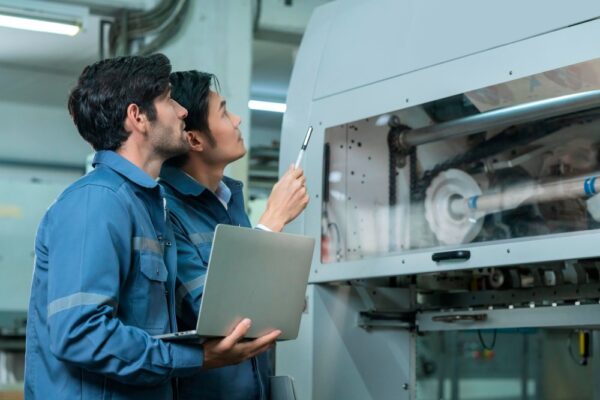
CNC machining solutions have a significant impact on modern engineering practices, enabling manufacturers to produce high-quality parts with greater speed and efficiency. This section will explore the contributions of CNC machining solutions to modern engineering practices, as well as their applications in various industries.
Contributions of CNC Machining Solutions to Modern Engineering Practices
CNC machining solutions have transformed modern engineering practices in many ways, primarily by providing exceptional precision, speed, and efficiency in manufacturing processes. CNC machines are capable of producing highly accurate and complex parts with tight tolerances, reducing the need for manual labour and human error.
Additionally, CNC machines can operate continuously, 24 hours a day, seven days a week, leading to increased productivity and reduced lead times. This means that engineers can produce more parts or production in a shorter period, leading to higher profitability, faster turnaround times, and increased customer satisfaction.
Another significant contribution of CNC machining solutions is the ability to create highly customised and unique parts. With advanced CAD software and CNC machines, engineers can design and manufacture parts with complex geometries and features that were previously impossible to produce. This has enabled the creation of intricate designs and shapes that are difficult to achieve with conventional manufacturing methods.
Overall, CNC engineering solutions have revolutionised modern engineering practices by offering exceptional precision, speed, and efficiency, reducing lead times, enabling the creation of complex and unique parts, and ensuring consistency in manufacturing quality. These advancements have contributed significantly to the growth and development of various industries and will continue to do so as CNC technology continues to advance.
Applications of CNC Machining in Various Industries, Including Aerospace, Automotive, and Medical
CNC machining has found applications in various industries, from aerospace and automotive to medical and electronics, below are a few examples of CNC machining in action:
Aerospace Industry

The aerospace industry relies heavily on precision manufacturing techniques to produce high-quality components for aircraft. CNC machines have proven to be an essential tool in this industry, used to create a variety of parts such as turbine blades, landing gear, and structural components. One example of CNC machining in aerospace is the production of turbine blades, which are milled from solid blocks of metal using a computer program to ensure accurate shaping according to design specifications.
Automotive Industry
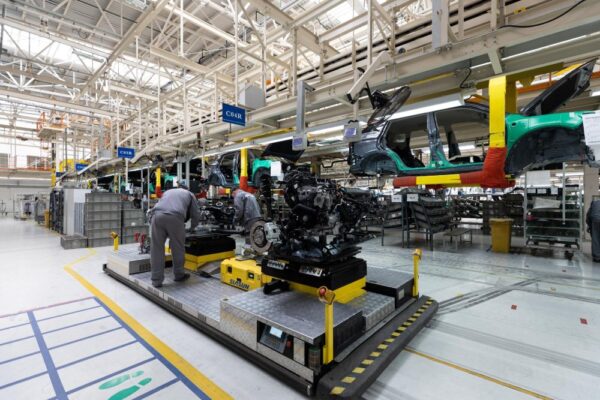
CNC machining has become an integral part of the automotive industry. CNC machines are used to produce critical engine components, transmission parts, and suspension systems with high precision, repeatability, and consistency. The use of CNC machining solutions results in improved quality and reduced costs for automakers, making them a preferred choice in the industry.
Medical Industry
CNC machines are also used in the medical industry, including to make implants, surgical instruments, and prosthetics. The ability of CNC machining solutions to produce highly complex and customised parts makes them ideal for medical applications, where patient-specific requirements are essential.
Comparison Between CNC Machining Solutions and Other Engineering Techniques
By now, we are well aware of the advantages of CNC machining which are high precision, flexibility, and efficiency, making it suitable for both complex and large-scale projects. However, it’s important to consider other engineering techniques to determine the best solution for specific needs.
There may be circumstances where other engineering techniques may be better suited for certain applications. For example, if you need to create parts with complex internal features, such as gears or bearings, you may want to consider using 3D printing or injection moulding. These techniques allow for the creation of intricate parts with precise internal geometries that may be difficult to achieve with CNC machining.
In addition, if you need to create parts with unique properties, such as extreme heat resistance or electrical conductivity, you may want to consider using materials science techniques such as metallurgy or composite materials. These techniques allow for the creation of materials with specific properties that may not be possible with traditional manufacturing techniques.
Each technique has its own advantages and limitations, and understanding these can help in making informed decisions in manufacturing. Ultimately, the key is to choose the technique that best meets the requirements of the project at hand.
Learn More about CNC Machines at Powertools
CNC machining has undoubtedly revolutionised many industries, providing them with increased precision, flexibility, and efficiency. As CNC technology continues to advance, it opens up new possibilities for customisation and innovation, allowing manufacturers to create unique and specialised products. Regardless of the size of your business, investing in CNC machines can enhance your operations and productivity. If you’re considering purchasing CNC machines, look no further than Powertools, – the leading CNC machining supplier in Singapore. Our team of experts is always on hand to offer support and guidance, ensuring that you receive the best and most reliable machines for your business needs.
